What was built, when, and who signed off.
The public record of every lot. Owners declare changes, inspectors sign them off, and every entry is anchored on-chain.
Lot 2 418 305
36 rue des Érables
Legend
- Compliant
- Variance granted
- Under review
- Violation
- Declared, awaiting attestation
The problem
A lot's story is in four filing cabinets.
When the permit office, the cadastre and the seller disagree, the buyer finds out last.
- 4
- places a notary checks for one house
- 0
- of them show who changed what, and when
- 1
- public record in Cadastrum

How a record is made
One lot, three signatures.
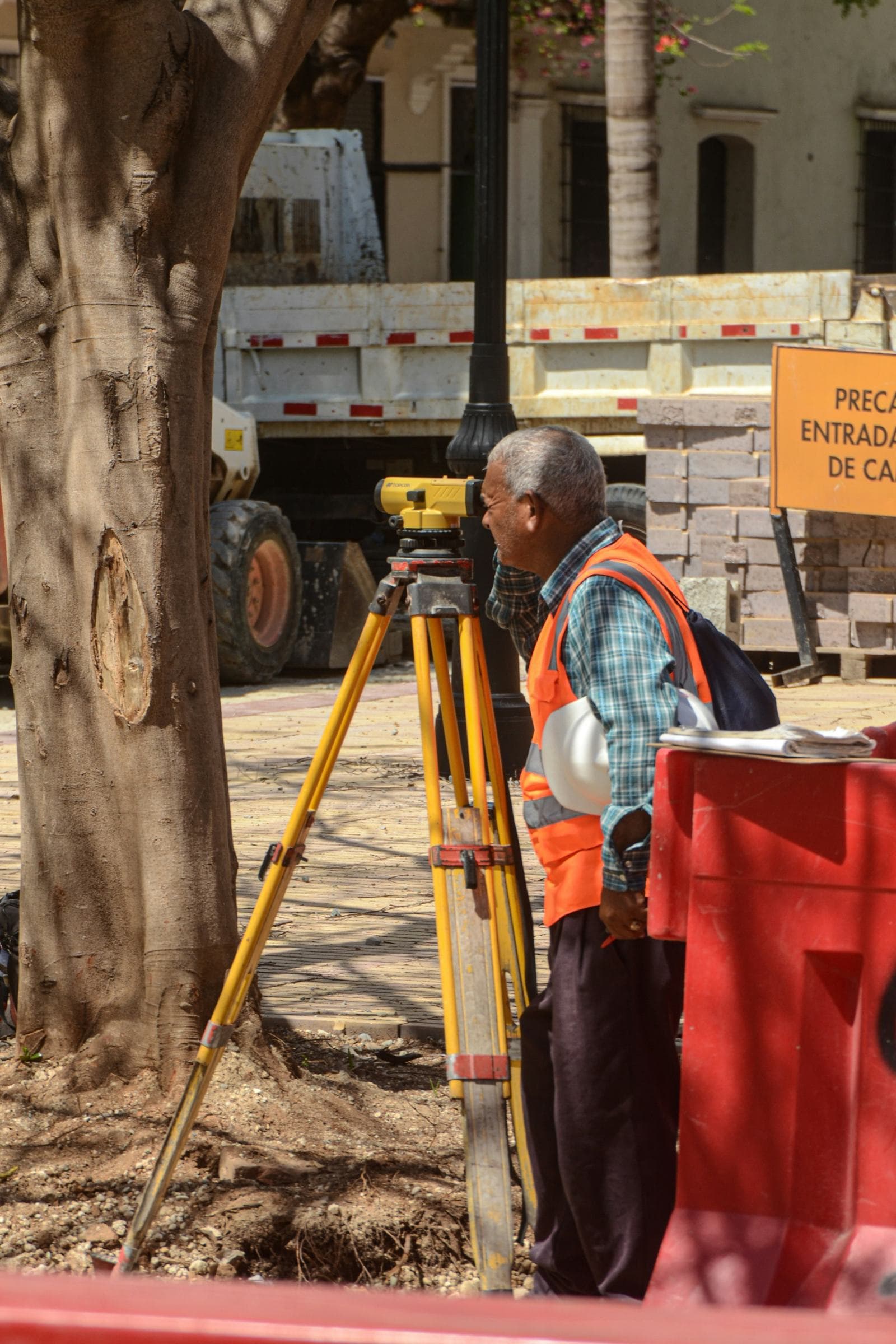
Each one stays on the record: who, in what role, and when.
Owner
Declares the change
What was built, with its size and plans.
Inspector
Attests or disputes
Checks it against the zone and the site, then signs.
Resident
Reports what's missing
A signed report opens a review in the open.
What goes on-chain
Proof without exposure.
A hash, a signer and a time on-chain. Files on IPFS. Personal details on neither.
Entry
- — Lot and change
- — Dimensions
- — Permit number
- — Description
Plans and photos
IPFS · bafybei…
Anchor on-chain
- — Hash
- — Signer and role
- — Block and time
Stays with the municipality
- — Owner names
- — Contact details
Questions
Before you rely on it
Does this replace the land registry?
No. The official cadastre still defines lots and ownership. Cadastrum records what happens on them: structures, changes, inspections and reports.
Who can write to a lot's record?
Its owner (or their contractor) declares changes, municipal inspectors attest or dispute them, and any verified resident can file a report. Everyone can read.
What if an entry is wrong?
It's never edited. An inspector disputes it, or the owner declares a correction; both stay visible, in order.
Is my personal information on-chain?
No. The chain holds a content hash, a wallet address and a role. Names and contact details stay with the municipality.
Can I rely on this for a purchase?
Not in this demo: the town and its people are fictional. In production, an attested entry is evidence for your notary, not a substitute.

Every lot on this street has a history.